Summer Storage: How to Protect Your Recreational Property All Season Long
The dock is in. The deck furniture is out. Summer at a cottage or recreational property is everything it should be, until a raccoon gets into the storage bin overnight, or the equipment left outside comes out warped, rusted, or worse.
Protecting a recreational property through a full season takes more than a tarp and a hope. Here is what to think about before the season gets underway.
Wildlife Does Not Take the Summer Off
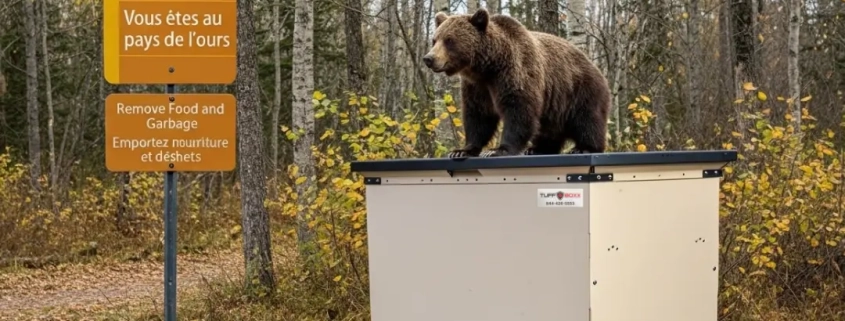
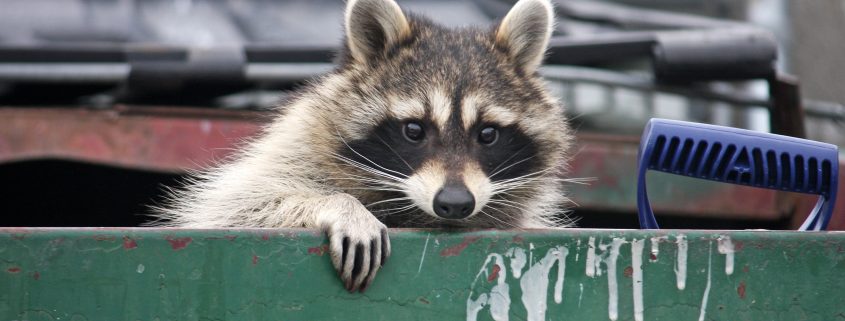
Summer is active season for raccoons, skunks, bears, and other wildlife across Canada. Recreational properties, cottages, and seasonal cabins are particularly vulnerable because they are often unattended for days at a time. An unsecured bin, an accessible food source, or poorly stored equipment is an open invitation that gets acted on quickly when no one is around.
The damage wildlife can do to outdoor equipment, storage areas, and property structures in a single visit is significant. The cost of replacement or repair is almost always higher than the cost of prevention.
What Needs to Be Secured
At a recreational property, the list of attractants and vulnerable items is longer than most people realize:
- Garbage and recycling waiting for pickup
- Pet food and birdseed stored in sheds or on decks
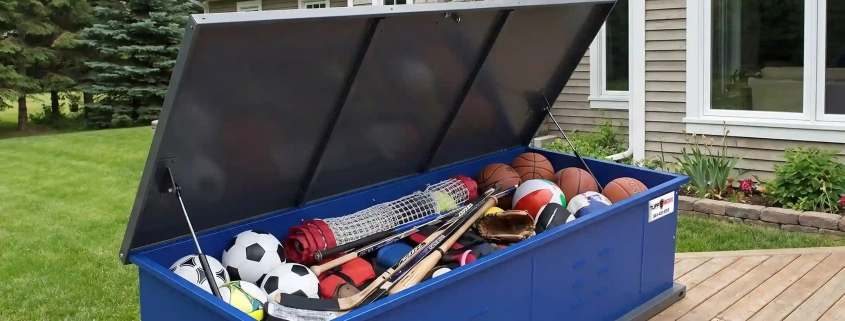
- Sports equipment, gardening tools, and pool supplies stored outdoors
- Dock equipment and marine accessories left accessible overnight
- Food and waste from outdoor entertaining
Each of these represents either an attractant that draws wildlife in, or a valuable item that needs protection from weather and opportunistic animals.
TuffBoxx Recreational Storage
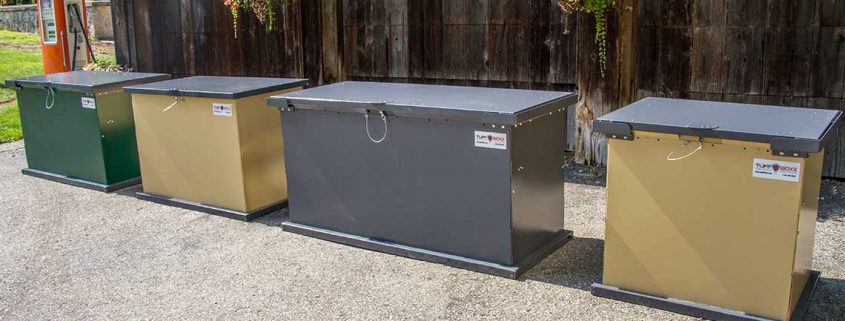
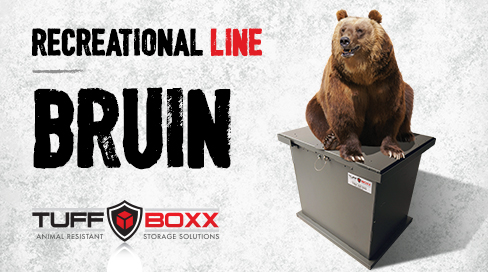
We build the TuffBoxx recreational line for exactly this environment. Containers are available in eight sizes across two height configurations, the standard 30-inch SH models and the lower 20-inch LH models, covering everything from compact poolside storage to large-capacity dock bins.
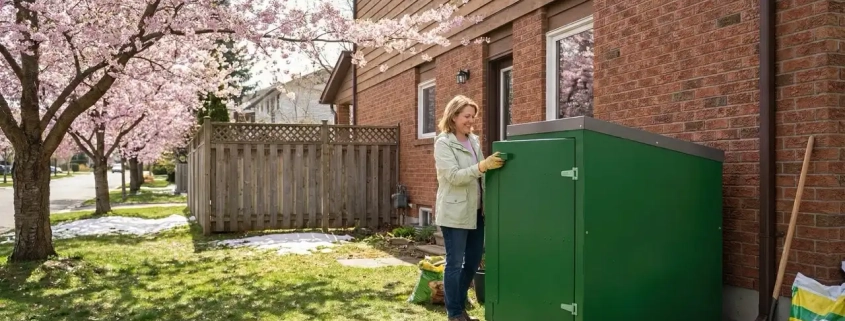
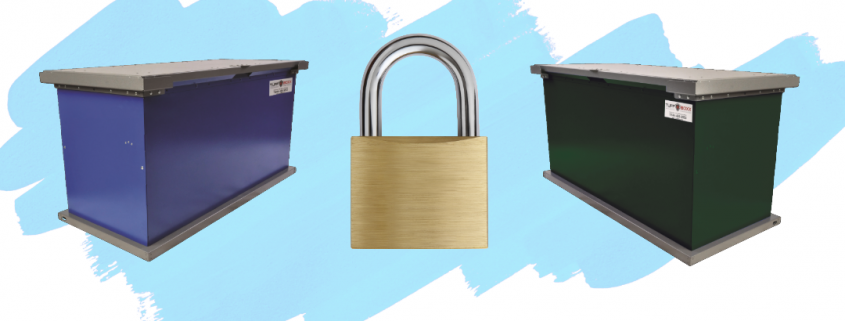
Recreational TuffBoxx containers are built from galvanized steel to resist corrosion through a full season of sun, rain, and humidity. They are strong enough to keep wildlife from accessing stored contents, and durable enough to protect equipment from the elements. They can also double as benches, combining storage function with practical outdoor seating.
All containers come in a ready-to-assemble design that most customers complete in under 30 minutes with basic tools.
Start the Season Right
Secure your recreational property before the first incident, not after one. A wildlife visit to an unsecured property is not a one-time event. Animals return, and they come back with more confidence each time.
Contact TuffBoxx to find the right recreational storage solution for your dock, deck, pool area, or cottage property.
Built for the seasons. Contact TuffBoxx today. 1-844-426-5553 | tuffboxx.com